
Embark on a journey to transform your space with expert guidance on decorating a room like a designer. From room layout to lighting design, discover the secrets to creating a stylish and inviting interior.
Unleash your creativity and elevate your home decor with the following insights and techniques shared in this comprehensive guide.
Importance of Room Layout
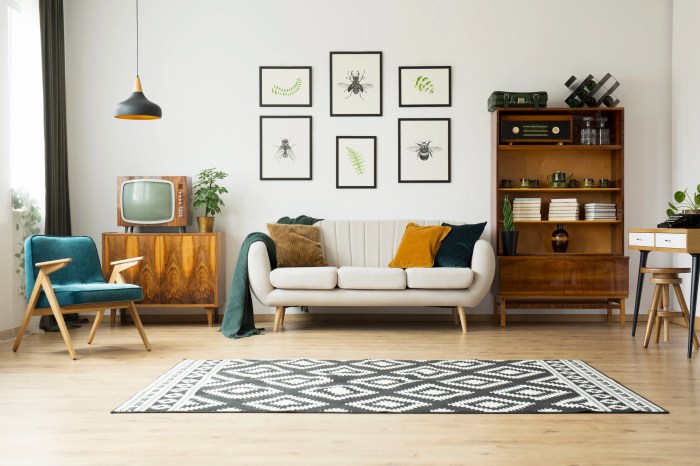
Room layout plays a crucial role in interior design as it determines the functionality, flow, and overall aesthetics of a space. A well-planned room layout can enhance the usability of the room while creating a harmonious and visually appealing environment.
Effective Room Layouts by Designers
- Open Floor Plan: Designers often opt for an open floor plan layout to create a seamless flow between different areas of the room. This layout allows for better interaction and connectivity within the space.
- Zoning: Creating zones within a room, such as a living area, dining area, and workspace, helps in defining the purpose of each area and organizing the space efficiently.
- Furniture Placement: Strategic placement of furniture can significantly impact the look and feel of a room. Designers carefully position furniture to optimize traffic flow, maximize natural light, and create a balanced composition.
- Balance and Symmetry: Achieving balance and symmetry in room layout is essential for a visually pleasing design. Designers use principles of balance to distribute visual weight evenly and create a sense of harmony in the space.
Color Scheme Selection
Choosing the right color scheme is essential in creating a well-designed room. Designers carefully consider various factors when selecting colors to ensure a cohesive and visually pleasing space.
Impact of Different Colors
Different colors have the power to influence the mood and ambiance of a room. Warm colors like red, orange, and yellow can create a cozy and inviting atmosphere, perfect for living rooms or dining areas. On the other hand, cool colors such as blue, green, and purple can evoke a sense of calmness and relaxation, ideal for bedrooms or home offices.
Neutral colors like white, beige, and gray provide a versatile backdrop that can complement any design style.
Creating a Cohesive Color Palette
Start by choosing a base color or a dominant color that sets the tone for the room.
-
Use the 60-30-10 rule
60% of the room should be the dominant color, 30% the secondary color, and 10% an accent color for balance.
- Consider the natural light in the room when selecting colors to ensure they appear as intended.
- Experiment with different shades and tones of the same color family to add depth and interest to the space.
- Don’t be afraid to mix patterns and textures in similar colors to create a visually dynamic room.
Furniture Selection and Placement
When it comes to designing a room, furniture selection and placement play a crucial role in creating a cohesive and functional space. The right furniture can enhance the overall aesthetic while also optimizing the room layout for comfort and usability.
Selecting Furniture Pieces
- Consider the function of the room: Determine the primary purpose of the room to choose furniture pieces that align with the intended use.
- Take measurements: Measure the space to ensure that the furniture pieces you select fit well and allow for proper flow within the room.
- Choose a style: Select furniture that complements the overall design style of the room to maintain a harmonious look.
- Mix and match: Experiment with different furniture styles, shapes, and materials to add visual interest to the space.
Importance of Scale and Proportion
Scale and proportion are essential considerations when placing furniture in a room. Properly scaled furniture ensures that the pieces complement each other and the room’s dimensions, creating a balanced and visually appealing layout.
Arranging Furniture for Optimal Space and Flow
- Create a focal point: Arrange furniture around a focal point, such as a fireplace or a piece of artwork, to anchor the room and create a cohesive look.
- Allow for traffic flow: Ensure that there is enough space between furniture pieces for easy movement throughout the room.
- Consider function: Arrange furniture based on the room’s primary function, such as creating conversation areas in a living room or a functional workspace in a home office.
- Experiment with layout: Don’t be afraid to try different furniture arrangements to find the best configuration that maximizes space and enhances the room’s flow.
Lighting Design
Lighting plays a crucial role in room decoration as it can enhance the overall ambiance, highlight certain features, and even affect our mood and well-being.
Types of Lighting Fixtures and Their Effects
- Ambient Lighting: Provides overall illumination and sets the tone for the room.
- Task Lighting: Direct light for specific activities like reading or cooking.
- Accent Lighting: Highlights focal points or architectural details.
- Natural Lighting: Utilizes natural light sources like windows or skylights.
Tips for Layered Lighting
- Combine different types of lighting for a balanced and well-designed space.
- Use a mix of overhead lights, floor lamps, table lamps, and wall sconces for versatility.
- Consider dimmer switches to adjust the intensity of light based on the time of day or mood.
- Utilize lighting to create depth and dimension in the room, avoiding harsh shadows.
DESIGNER TIPS
When it comes to decorating a room like a designer, there are some key tips and tricks that professionals use to create stunning spaces that are both functional and stylish. These tips can help elevate your room decor and give it that designer touch.
Unique Design Tips
- Layering Textures: Designers often combine different textures like velvet, silk, and faux fur to add depth and interest to a room.
- Statement Pieces: Including a bold statement piece, such as a colorful rug or a unique piece of art, can instantly elevate the room’s design.
- Mixing Old and New: Mixing vintage or antique pieces with modern furniture can create a unique and eclectic look.
- Focus on Details: Designers pay attention to small details like hardware, trim, and finishes to ensure a cohesive and polished look.
Benefits of Hiring a Designer
- Professional Expertise: Designers have the knowledge and experience to create a well-designed space that reflects your style and needs.
- Time-Saving: Hiring a designer can save you time by taking care of all the details and coordination of the project.
- Access to Resources: Designers have access to a wide range of resources, including furniture, fabrics, and materials, that may not be available to the general public.
- Personalized Design: Designers work closely with clients to create a customized design plan that suits their lifestyle and preferences.
Design Services Offered by Interior Designers
- Space Planning: Interior designers can help you optimize the layout of your room to maximize functionality and flow.
- Color Consultation: Designers can assist in selecting the perfect color scheme that complements your style and enhances the room’s ambiance.
- Furniture Selection: From choosing the right furniture pieces to arranging them in the space, designers can help create a cohesive and balanced look.
- Lighting Design: Designers can create a lighting plan that enhances the room’s functionality and mood, using a combination of ambient, task, and accent lighting.
Elevate your interior design skills and create a space that reflects your unique style with the expert tips and tricks learned from this guide. Transform your room into a designer masterpiece that exudes elegance and sophistication.
Essential Questionnaire
How do designers choose color schemes for rooms?
Designers often consider the room’s function, natural light, and desired ambiance when selecting color schemes. They also take into account the furniture and decor to ensure a cohesive look.
Why is lighting design important in room decoration?
Lighting can significantly impact the mood and functionality of a space. Properly designed lighting can enhance the room’s aesthetics, create ambiance, and highlight key features.
What are some unique design tips used by professionals?
Designers often recommend incorporating textures, layering lighting, and mixing vintage with modern elements to create visual interest and depth in a room.


