
Embark on a journey into the world of eco-friendly design with our comprehensive guide on sustainable materials, energy efficiency, natural light, and insulation. Discover how these elements can transform your design projects.
Eco-Friendly Design Tips
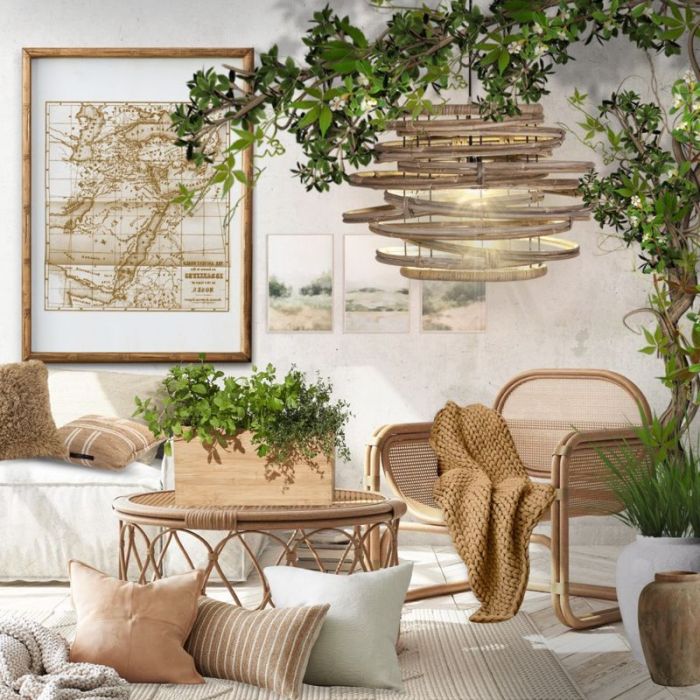
When it comes to eco-friendly design, using sustainable materials is key to reducing environmental impact. These materials are often sourced responsibly and have minimal negative effects on the planet. Some common examples of sustainable materials used in eco-friendly design include:
Sustainable Materials in Eco-Friendly Design
- Bamboo: Known for its fast growth rate and renewability, bamboo is a popular choice for flooring, furniture, and even structural elements in eco-friendly buildings.
- Recycled Glass: Using recycled glass for countertops, tiles, and decorative elements helps reduce waste in landfills and conserves energy during the production process.
- Cork: Harvested from the bark of cork oak trees without harming the tree, cork is a sustainable material used for flooring, wall coverings, and insulation.
Reducing Energy Consumption in Eco-Friendly Design Projects
In eco-friendly design projects, reducing energy consumption is crucial for sustainability. Here are some techniques to achieve this goal:
- Energy-Efficient Appliances: Choose appliances with high energy efficiency ratings to reduce electricity consumption in homes and buildings.
- Proper Insulation: Good insulation helps maintain indoor temperatures, reducing the need for heating or cooling systems and ultimately saving energy.
- Passive Solar Design: Incorporating passive solar design principles can maximize natural light and heat gain, reducing the reliance on artificial lighting and heating systems.
Benefits of Natural Light in Eco-Friendly Building Designs
Natural light not only enhances the aesthetics of a space but also offers several benefits in eco-friendly building designs:
- Energy Savings: Using natural light reduces the need for artificial lighting during the day, leading to lower energy consumption and electricity bills.
- Improved Wellbeing: Exposure to natural light has been linked to improved mood, productivity, and overall wellbeing among occupants of eco-friendly buildings.
- Connection to Nature: Natural light creates a connection to the outdoors, bringing elements of nature inside and promoting a sense of harmony with the environment.
Importance of Proper Insulation in Eco-Friendly Homes
Proper insulation plays a crucial role in maintaining energy efficiency in eco-friendly homes by:
- Preventing Heat Loss: Well-insulated homes retain heat in the winter and cool air in the summer, reducing the need for heating and cooling systems.
- Enhancing Comfort: Good insulation helps maintain consistent indoor temperatures, creating a comfortable living environment for residents throughout the year.
- Minimizing Environmental Impact: By reducing the energy consumption required for heating and cooling, proper insulation helps lower greenhouse gas emissions and environmental footprint.
Designer Tips
Creating a sustainable design concept from start to finish involves careful planning and consideration of eco-friendly elements. Designers play a crucial role in promoting environmentally conscious practices in the field of design.
Integrating Recycled Materials
Using recycled materials creatively can add a unique touch to design projects while reducing the environmental impact. Designers can source materials such as reclaimed wood, upcycled fabrics, and recycled glass to incorporate into their designs. By thinking outside the box and exploring innovative ways to repurpose materials, designers can create stunning and sustainable pieces that contribute to a more eco-friendly future.
Role of Indoor Plants
Indoor plants not only enhance the aesthetics of interior design but also play a vital role in improving air quality. Designers can strategically place plants throughout a space to purify the air, reduce toxins, and create a calming atmosphere. Incorporating greenery into design projects not only adds a natural element but also promotes a healthier living environment for occupants.
Sourcing Eco-Friendly Furniture and Decor Items
When sourcing furniture and decor items for design projects, designers can prioritize eco-friendly options such as sustainably sourced wood, organic fabrics, and non-toxic finishes. By choosing products that are made with minimal environmental impact and ethical practices, designers can create spaces that are both visually appealing and environmentally responsible. Researching and partnering with vendors that share a commitment to sustainability can help designers access a wide range of eco-friendly options for their projects.
Design Services
Design firms play a crucial role in promoting sustainable practices through their eco-friendly design services. By specializing in environmentally conscious design solutions, these firms contribute to reducing the negative impact of construction on the environment.
Cost Comparison
When comparing traditional design services to eco-friendly design services, the initial costs may appear higher for the latter. However, over the long term, eco-friendly designs can lead to significant savings in energy consumption and maintenance costs. This makes them a more cost-effective option in the grand scheme of things.
Innovative Solutions
- Using recycled materials in construction to reduce waste and carbon footprint.
- Implementing passive design strategies like natural ventilation and daylighting to minimize reliance on artificial heating and cooling systems.
- Integrating green roofs and living walls to enhance biodiversity and improve air quality.
Impact on Sustainability
Eco-friendly design services have a profound impact on the overall sustainability of buildings and communities. By incorporating sustainable practices into design, these services help reduce energy consumption, minimize waste generation, and create healthier indoor environments. This, in turn, leads to more resilient and sustainable built environments that benefit both current and future generations.
Explore the endless possibilities of eco-friendly design as we wrap up our discussion on creating sustainable and aesthetically pleasing spaces. Implement these tips to make a positive impact on the environment and your community.
FAQ Compilation
How can I find sustainable materials for eco-friendly design?
You can look for materials like bamboo, reclaimed wood, cork, and recycled glass for your eco-friendly design projects.
Why is natural light important in eco-friendly building designs?
Natural light not only reduces the need for artificial lighting but also helps in creating a healthy and vibrant indoor environment.
What are some innovative eco-friendly design solutions offered by design agencies?
Design agencies may offer solutions like green roofs, rainwater harvesting systems, and passive solar design to enhance sustainability in buildings.


